By Heidi Hardman-Welsh
In 1950s Liverpool, a young woman grew up surrounded by a city on the brink of a cultural explosion. But behind the rhythm and laughter lay a different reality, one marked by prejudice but fuelled by an unwavering love for music.
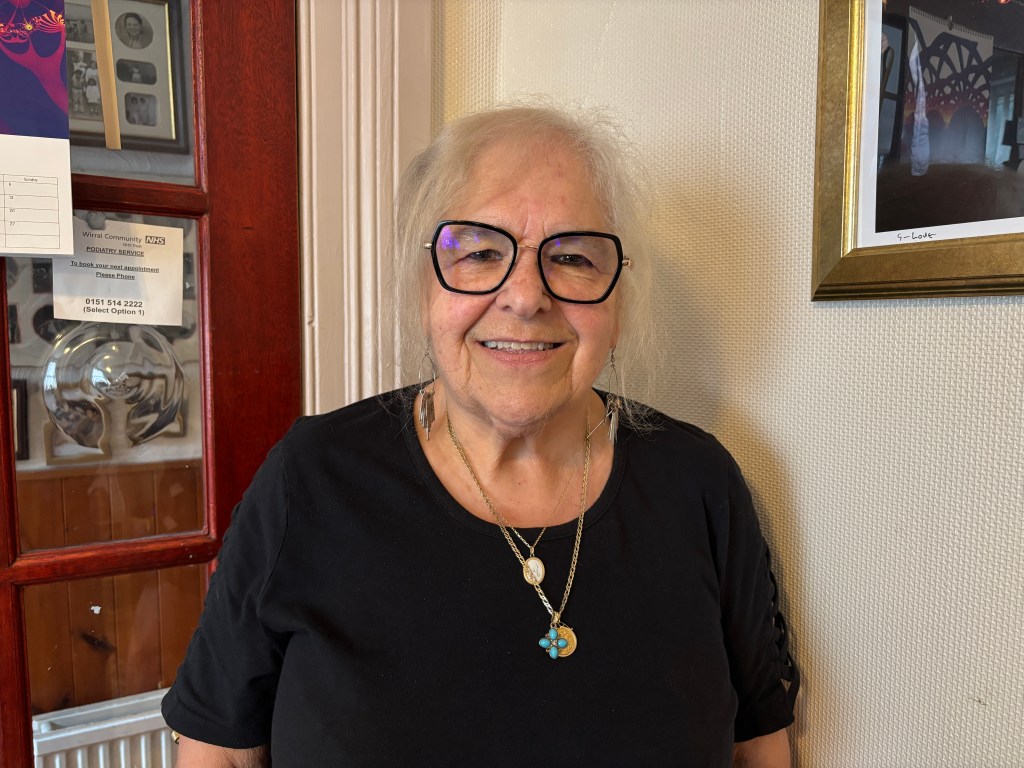
Rita Martelli, 80, lived in Toxteth, a predominantly black area of Liverpool at the time. She said: “I’m one of six children. I had a black sister, and then we were all sorts of different colours. I’m the lightest of the six of us and the second eldest.
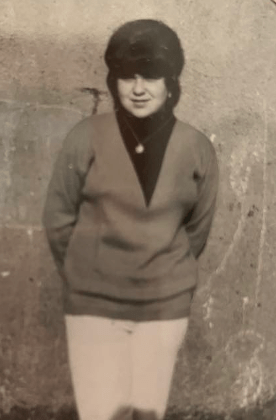
“I worked a two-minute walk away from The Cavern and I started going there in the lunchtimes. It just went on from there. I was in The Cavern Club every lunchtime, Monday to Friday.
“And on a Friday, Bob Wooler, who was the DJ, used to let you bring in records and he’d play them during the band’s break.
“I had two records I used to take in all the time, one was called On the Rebound by Floyd Kramer, and another one was Winkle Picker Stomp by Earl Guest. I took them because they were good to jump and dance to.”
Racism and Prejudice: Barriers that Couldn’t be Broken
“My sisters and brothers very rarely came to the cavern. It was only me. They just didn’t go into town because they didn’t want the prejudice… it went on an awful lot. You’ve got no idea. But I lived in The Cavern. I’m lucky in that way and no one would know if I didn’t tell them.”
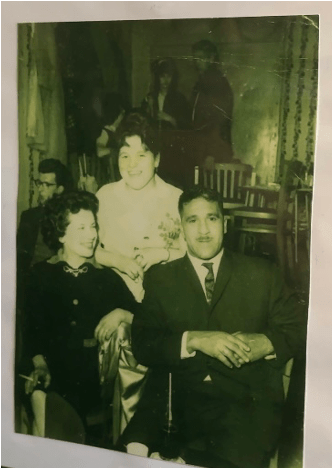
In mid-century Liverpool, the black community wasn’t just marginalised socially but actively barred from parts of the city. “My mum and dad were great dancers,” she said with pride.
“Great ballroom dancers. And where I grew up, there was a dance hall and cinema called The Rialto. We lived a five minutes’ walk away, but they weren’t allowed in there because my dad was black.”
“In Liverpool we had a lot of social clubs for the different nationalities, and that was where our parents went, because they couldn’t go into town.”
How Merseybeat Changed the Lives of Young People Forever
The new Merseybeat sound meant that a generation of young people were suddenly given their own musical identity. “Before the 60s, music wasn’t for the youth,” Rita said.
“We were all with our parents. I grew up listening to people like Nat King Cole, because that’s what my parents and aunties listened to. But in the late 50s, all of a sudden there was a genre we could have for ourselves.”
Family Connections: The Chants and their Underrated Talent
Among the many groups that influenced Rita’s adolescence, one in particular stands out: the black vocal act The Chants. She feels a special connection to the group because two of its members were part of her family.

Eddie Amoo, who later found success with The Real Thing, was Rita’s cousin, and Nat Smeda, lead singer of The Chants was married to another one of Rita’s cousins.
The Chants, active in the early 1960s, were known for their soulful harmonies, blending pop and R&B. Alongside Eddie and Nat, members like Joey Ankrah, Eddie Ankrah, and Alan Harding helped shape the group’s sound.
Rita recalled a story from her youth in 1962, when The Chants almost made it big: “At that time, black lads were not allowed to go into town. It was too dangerous for them.
“But one night, Little Richard was playing at the Tower Ballroom in New Brighton. I was there, along with Joey Ankrah of The Chants, Derry Wilkie, and Sugar Dean. They all went into The Green Room afterwards to talk to Little Richard and The Beatles, who had been the support act.
“Joey was talking to John [Lennon] and Paul [McCartney] about The Chants, and they invited them down to The Cavern for their next afternoon gig. The Beatles let them get up and perform a couple of numbers. They went down a bomb.
“The Beatles would continue to invite them to their gigs. But Brian Epstein didn’t like it because he had plans for The Beatles, and they kept backing these nobodies. So, he took The Chants on as their manager, then did nothing for them, but they couldn’t play with The Beatles ever again.”
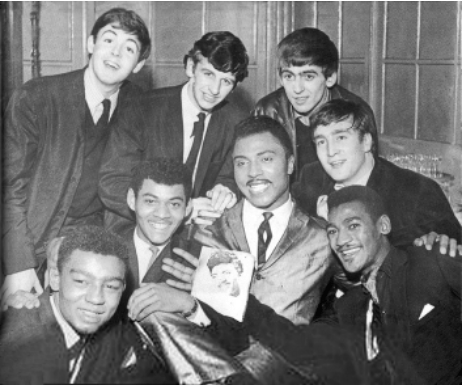
She added: “We had a lot of very good black musicians, but believe me, racism was rife. They’re usually the best singers and some of them are still going. But if ever a group deserved recognition, it was The Chants.”
The Chants were notable for being the first local black group to gain popularity in the city and for being backed by The Beatles in their Cavern Club debut. Although the group didn’t reach the stardom they were destined for, they are remembered for their unique style and undeniable talent.
Unforgettable Memories and Friends
The music scene was tight-knit back then. Rita explained: “One day it’d be The Beatles, then Gerry and the Pacemakers, or The Big Three, another day The Escorts. The lunchtime sessions, the evening sessions, there was always more than one band. Sometimes all-night sessions going till six in the morning.”
But fame changed things for everyone. “It was nice because we could say, ‘these are our mates, look at them.’ But I think it was sad because then we lost them. Like The Beatles, Gerry and the Pacemakers, we lost them. We still had a lot of the bands who hadn’t made it big, but the ones who did, they were gone.”
Rita has many unique stories to tell but one that sticks in her mind involved Ringo Starr just before he reached global fame. She said: “Ringo was a friend of mine before he was in The Beatles. He lived just down the road from me, and one Saturday afternoon I was coming out of my house, and he was walking along the road, and he saw me.
“I was going to buy Love Me Do, which had just come out. He asked, ‘Where are you going?’ I replied, ‘I’m going to the record shop.’ He said, ‘I’ll come with you,’ but I didn’t want him to come along. Anyway, he wouldn’t have it and he came with me and I didn’t want to ask for the record in front of him, we were nearly on the floor, the pair of us laughing.”
1960s Liverpool: An Irreplaceable Era for Music
Rita didn’t think much about it at the time. “I wish I did, because then I’d have all The Beatles’ autographs and I’d probably be rich by now,” she laughed.
She said: “But to us, it was just the life we were living, you know? Then, all of a sudden, this thing happened… it just happened. It was a time that will never happen again, the 60s, that was ours.”
 Heidi Hardman-Welsh