By Heidi Hardman-Welsh
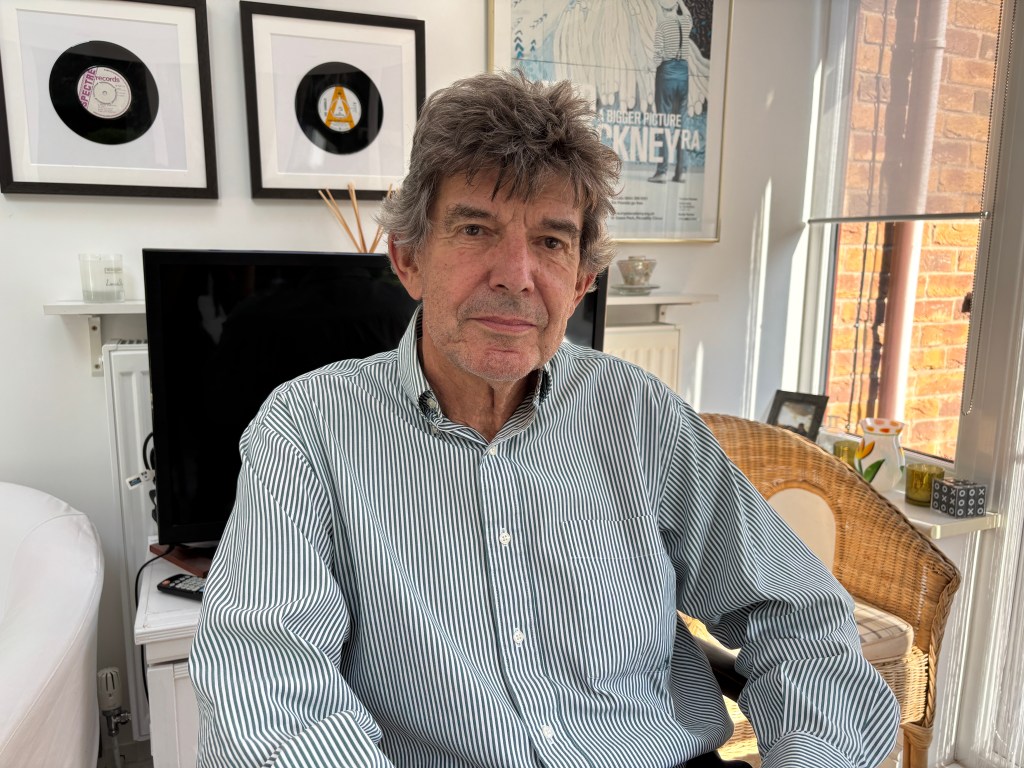
Liverpool in the early 1960s was a city humming with possibility. In its basements and backrooms, teenagers with guitars were finding their voice. And in the middle of it all was a young medical student called John Winter, splitting his time between clinical rooms and The Cavern Club.
“It was a fantastic time really. I was very fortunate to be in Liverpool at that time,” John said. “I was studying medicine, and at the same time I was right in there, in the music scene.”
Medicine and Music
John, who is now 78, hails from North Liverpool and he dedicated a significant portion of his life (44 years) to working as a physician in the National Health Service.
His medical path has been extraordinary, from research on altitude sickness on Mount Everest to serving as medical officer on an uncharted Himalayan expedition. But alongside all this, he nurtured a passion for music.

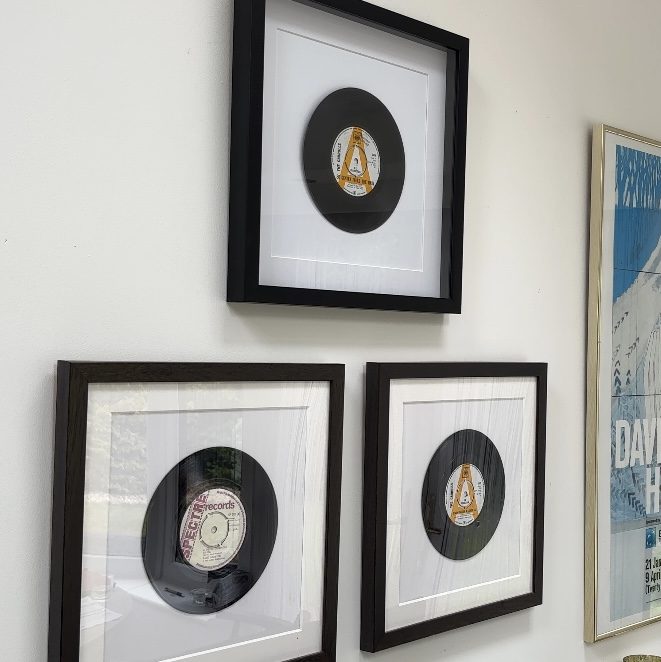
“While I was studying medicine at Liverpool University, I also got involved in songwriting. I got a guitar, learned to play it, started writing songs, and then started sending the songs off to various music publishers.
“And probably to the detriment of my medicine, I think I spent more time songwriting than studying. But I still managed to qualify in 1969, having had an ultimatum from my father. He said ‘You’ve got to make up your mind whether you are going to write songs or become a doctor. And I think you should become a doctor.’ And that was it, really.” He laughed.
Inside The Cavern
By day, John worked in hospitals, but at night he headed underground, into the humid cellars where Merseybeat was born. He said: “The Cavern was very hot, sweaty, crowded. You couldn’t really breathe sometimes, but the atmosphere was just electric.”
John saw the scene develop firsthand when using The Cavern as a rehearsal space with the songwriter he worked with, Fred Lloyd, who used to play piano there. They used the space as a temporary recording studio.
It was there that he first encountered The Beatles. “I once saw them with Pete Best, who was a decent drummer but didn’t have the same variety as Ringo. At first, they weren’t all that different, but Ringo’s style definitely added something special to The Beatles’ songs.”
He witnessed The Beatles’ last Cavern performance in 1963, a moment he still treasures. John said: “There were around 500 of us there, crammed up to the walls. It was five shillings to see them play at the time, about 25p. The atmosphere was kind of a mixture of excitement and sadness, because everyone knew it was the last time.”
Merseybeat memories
Other Merseybeat bands left a notable impression on John. He mentioned bands like The Undertakers, The Big Three, and Rory Storm and the Hurricanes, which were often regarded as the best in Liverpool before The Beatles emerged.
He said: “In the very early ’60s, people didn’t think The Beatles were the best band in Liverpool, and they weren’t. They just improved beyond all measure when they were in Hamburg.”
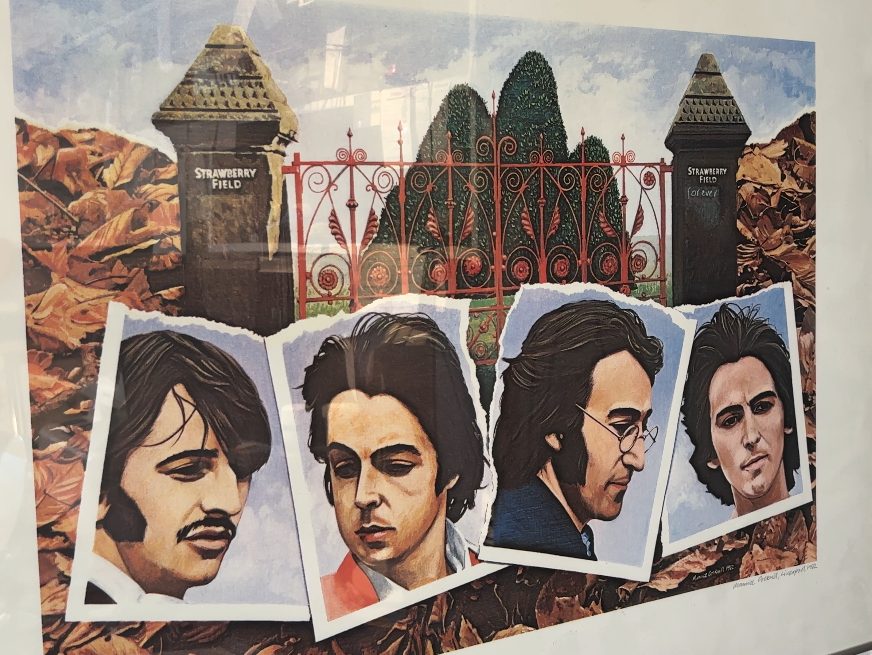
The Beatles went to Hamburg between August 1960 and May 1962 to gain invaluable live performance experience. The original lineup of The Beatles (John Lennon, Paul McCartney, George Harrison, Stuart Sutcliffe, and Pete Best) regularly performed at different clubs in Hamburg, West Germany.
This chapter in the band’s history honed their skills and widened their reputation. This led to their first recording and ultimately brought them to the attention of music manager Brian Epstein.
“The Beatles were rock ‘n’ roll, but they were real, they made you feel alive, it was just a completely different feeling. No one was the same as The Beatles.”
From Ruins to Rhythm
In 1960s Liverpool, the city was still recovering from the devastation caused by World War II. The Liverpool Blitz, heavy bombing by the German Luftwaffe from August 1940 to January 1942, resulted in immense destruction and civilian casualties.
The city faced a significant economic decline and high unemployment rates. But despite this, Liverpool remained strong and resilient, finding hope in its newfound status as a global centre for youth culture.
John said: “It was covered in bomb sites and there wasn’t much happening in the evenings. Music and football were the two big things that made life exciting. Our lives, as teenagers in Liverpool, revolved around music and football. With it being such a time of sadness… as there wasn’t much there, they were life and hope.”
He added: “The city had been blown to pieces and life was quite tough, but the talent came from the fact that Liverpudlians are naturally quick-witted, and one thing that changed everything was the Cunard ships.”
The Cunard transatlantic liners played a pivotal role in the cultural exchange between the United States and Britain during the 1950s. Liverpool’s working-class sailors, known as the Cunard Yanks, were instrumental in transporting records from the U.S. to the docks of Liverpool, effectively introducing rock ‘n’ roll music to Britain and paving the way for the Merseybeat era.
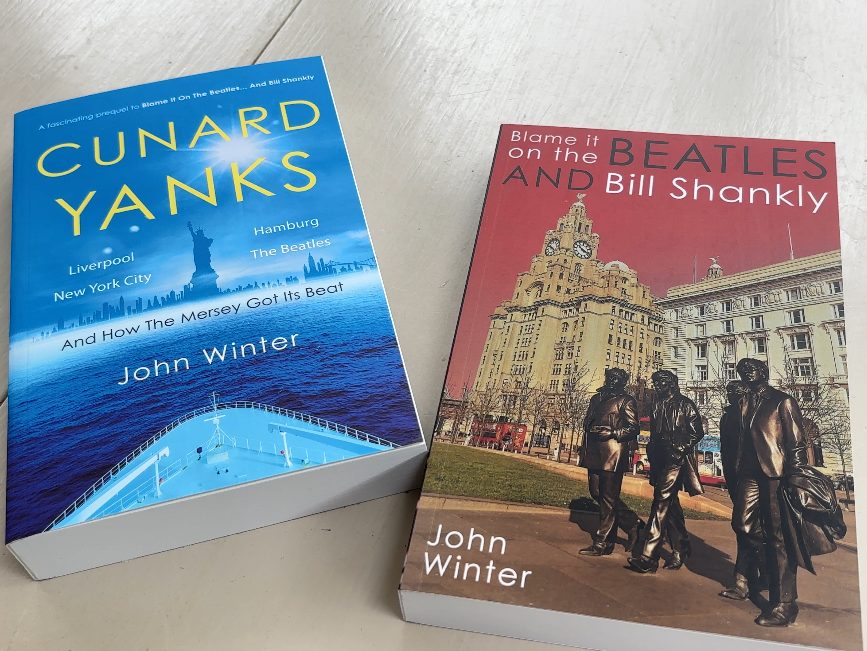
John has written two fictionalised books about life in 1960s Liverpool based on his own experiences. One explores the impact of The Beatles and Liverpool FC under Bill Shankly on the city, while the other delves into how the Cunard Yanks changed music forever.
Living a Double Life
Balancing the high demands of medicine with the lure of music was tricky: “It was quite difficult, because obviously medicine is a full-time course. So, I had to work very hard to keep up with my studies. But the music was a release from the work, really. It was about balancing the two.”
Even decades later, John’s experiences remain forever etched into his mind. He said: “Every time I hear those early Beatles songs, it just takes me back to being in The Cavern, you know, shoulder to shoulder with people, just the atmosphere, the excitement. It was something that you can’t really replicate.”
He added: “I was never famous, but I was there, I was part of it. And that, to me, is very important. It was a fantastic time, and I wouldn’t have missed it for anything.”
 Heidi Hardman-Welsh