By Heidi Hardman-Welsh
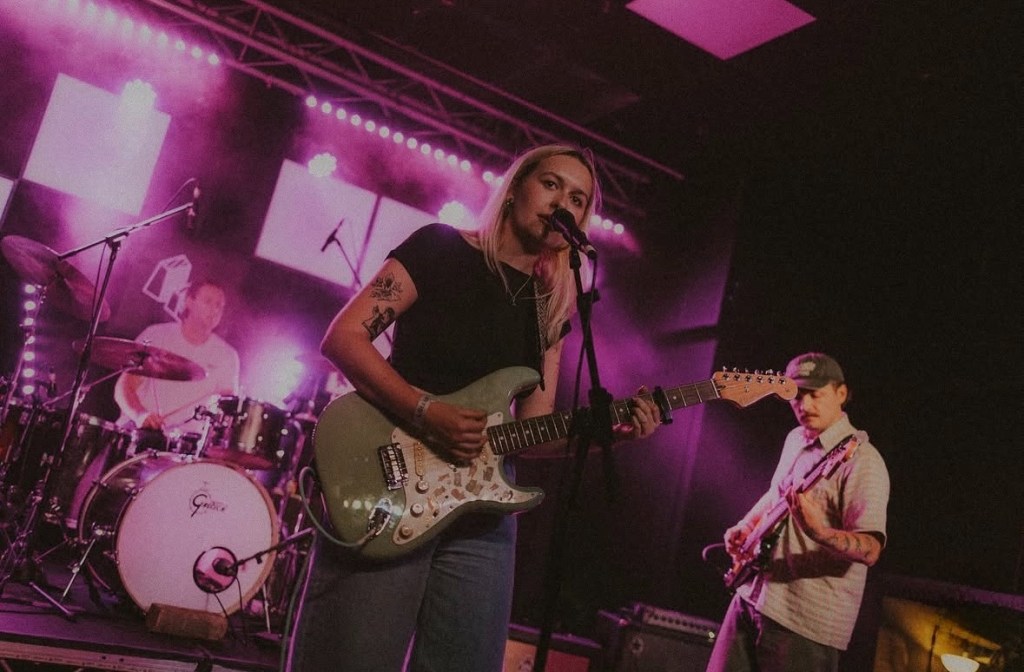
When singer-songwriter Hannah Mazey gets up on stage, she carries more than just her guitar. Raised in the working-class town of Wigan, she brings a plain-spoken honesty that cuts through in every lyric she sings and every note she plays.
The 24-year-old offers a fresh edge to shoegaze, pairing tongue-in-cheek lyrics with her subdued and almost ethereal indie rock sound. Growing up in the Northwest, she’s making music that feels grounded and effortless, but with enough bite to keep you coming back.
Hannah made her first live radio appearance on BBC Merseyside with Dave Monks and played at the famous Cavern Club for BBC Introducing at the end of 2024. She’s taken her sound to stages in London, Liverpool, and Manchester, steadily building a fanbase that’s spreading well beyond her hometown.
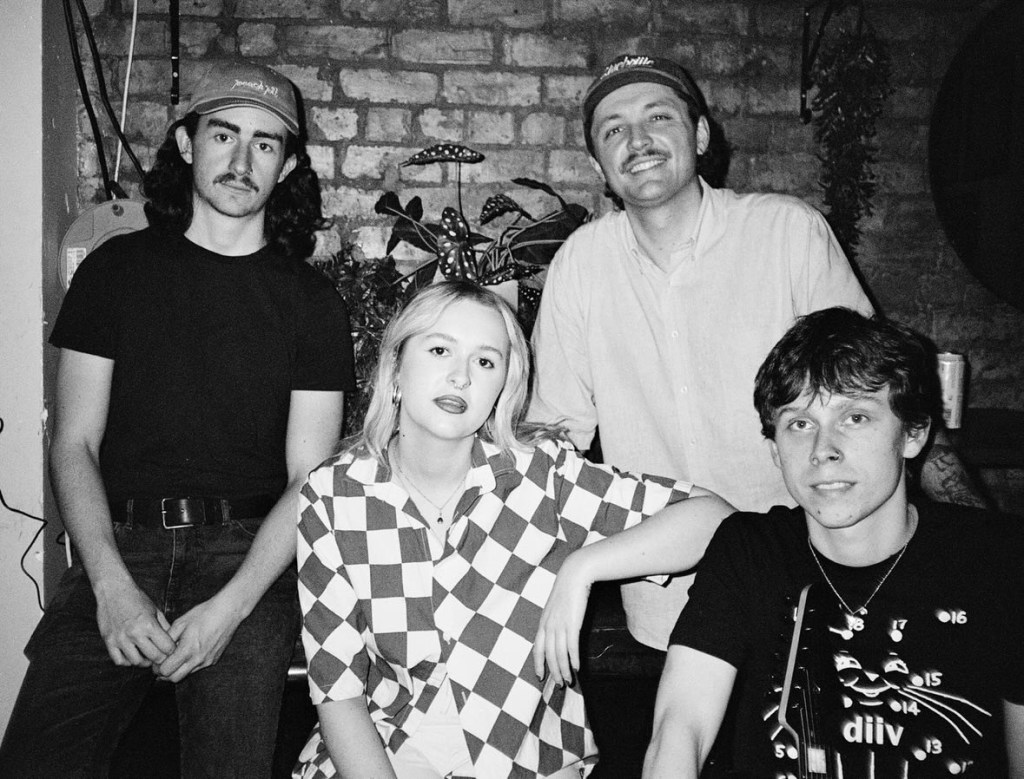
But Hannah doesn’t take the stage alone, her band is right there with her at every gig: Tommy Ashton, 23, on lead guitar, Luke Ashton, 23, on drums, and Sam Grime, 30, on bass.
Finding Her Voice
Hannah didn’t start out dreaming of stardom. It began with words and melodies she couldn’t keep inside the four walls of her bedroom.
Her latest single, ‘Rent Free’, is just one example of Hannah dealing with her emotions through art. The track is both catchy and cathartic, exploring the process of an irretrievable breakdown in a friendship and still remaining in someone’s mind years later.
She said: “Songwriting was always the main thing for me. Even when I didn’t know what I was doing, I just had to write. It was my way of understanding the world.”
But her journey has been anything but easy. “It’s not glamorous, not at this level,” Hannah admitted. “You’re lugging your gear on the train, playing to just ten people sometimes. But those are the moments where you truly learn the most.”
Working-Class Realities
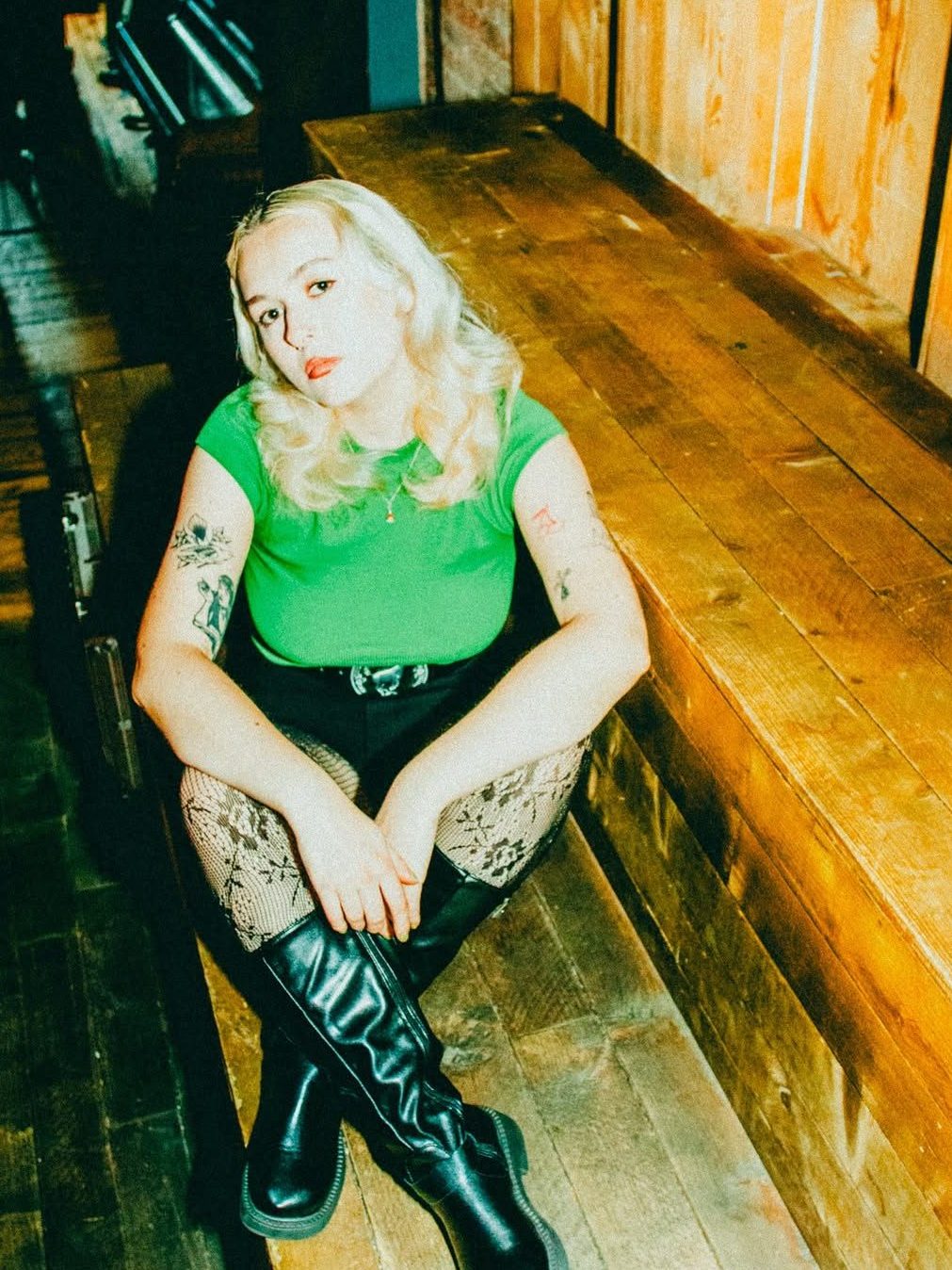
At the heart of Hannah’s perspective are her Wigan roots. She’s honest about the challenges of being a working-class musician in an industry where money too often decides who gets a chance.
“Going out in general is too expensive,” she explained. “You can’t get a pint for less than a fiver, you can’t get food for less than thirteen quid. So when people do go to a gig, they want to go see Sabrina Carpenter or someone with a big show. And I don’t blame them. If you’ve only got so much money to spend, you want it to feel worthwhile.”
It’s a brutally honest take on why so many grassroots shows struggle for attendance and venues are closing. The cost-of-living crisis hasn’t just hit households, but culture itself.
And for artists like Hannah, it means every show is a battle to convince people that it’s worth the risk.
“There’s a bit of a risk there, coming to a small gig,” her guitarist Tommy added. “But that risk is definitely worth taking. The people who go to grassroots venues regularly, they’re the ones who love music. They’re the lifeblood of it.”
Grassroots Lifelines
For Hannah, grassroots venues are the foundation to everything. “It’s probably the most important thing live-wise,” Hannah insisted. “If they weren’t there, I wouldn’t have performed anywhere. There’s no way.”
Tommy added: “You can’t just out of nowhere play Wembley Stadium. People have to start somewhere and that somewhere is usually a sweaty basement or back room.”
Some venues stand out in particular. “I love the Jacaranda,” Hannah said. “We’ve played there about four times. It’s tiny, it’s sweaty, but it’s got this vibe. Everyone you’ve ever heard of has probably played there at some point.
“And the people who run it actually care about the artists. It’s not just about money for them; they want to push new talent too.”
Other favourites include Manchester’s Lion’s Den and Wigan’s Monaco Ballroom. “The Monaco’s massive,” Tommy recalled. “We played it with The Lathums. It was absolutely full, that was really special.”
The Industry’s Broken Promises
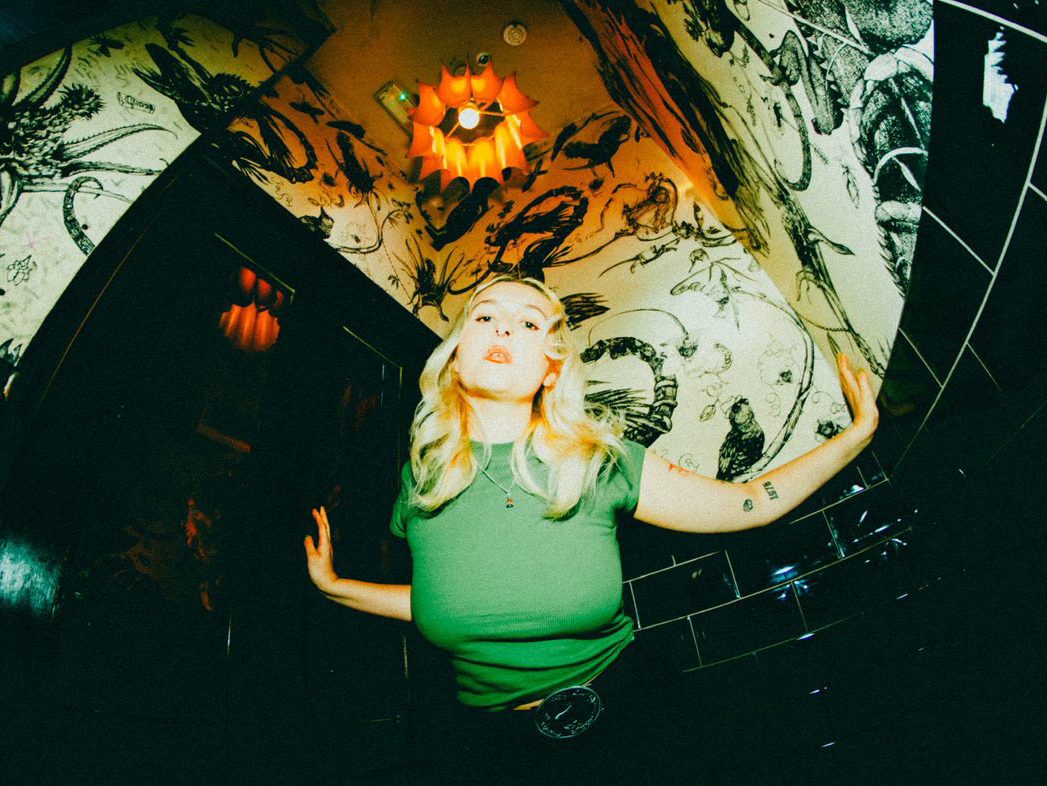
Hannah has a lot of thoughts about how the industry helps and does not help emerging artists. She argued: “I think promoters should at least have a handful of artists they’re putting time into developing,
“Instead, it’s just ‘who can sell tickets?’ Everyone starts from somewhere. You’re not going to find someone who can sell a hundred tickets at their second gig.”
She’s seen the industry’s exploitative side up close. “There are a lot of young people that get taken advantage of. Promoters, cowboy labels… they sell you the world, and because you don’t know any better, you just believe it.
“If someone offers you something, it makes you feel special. But often, it’s just them trying to make money off you.”
Her answer is education, not just self-taught lessons but something accessible to young people from the get-go. She said: “If you do music in school, you should be taught the basics of how the industry works.
“Like, if you want to do live shows you need a booking agent, you need to work with promoters, you need to know how to invoice. I didn’t know what an invoice was when I started. Nobody tells you that stuff.”
The lack of support isn’t just unfair, it’s actively harmful. Tommy said: “I’ve seen people get paid 25 quid for a full band gig. And if you don’t know how to make sure you get paid, you just lose out. It’s basic business stuff, but without it, young artists get chewed up.”
Why It Matters
“People think being a musician is just a dream,” Hannah stated. “But people do it, they make it work. And there should be more support for that, not less.”
Tommy said: “We do what we can with our budget. We put on a show. And the people who come… they get something real. That’s what matters.”
In a world where polished pop stars dominate arenas, Hannah Mazey is a reminder of where music really begins: in the bedrooms, in the basements, and in the stories of ordinary people making extraordinary music. And she’s not asking for a handout, just a fair chance.
Listen to Hannah Mazey on Spotify:
 Heidi Hardman-Welsh